Building Effective Communication to Mobilize Support for CSOs in the Environment and Palm Oil Sector
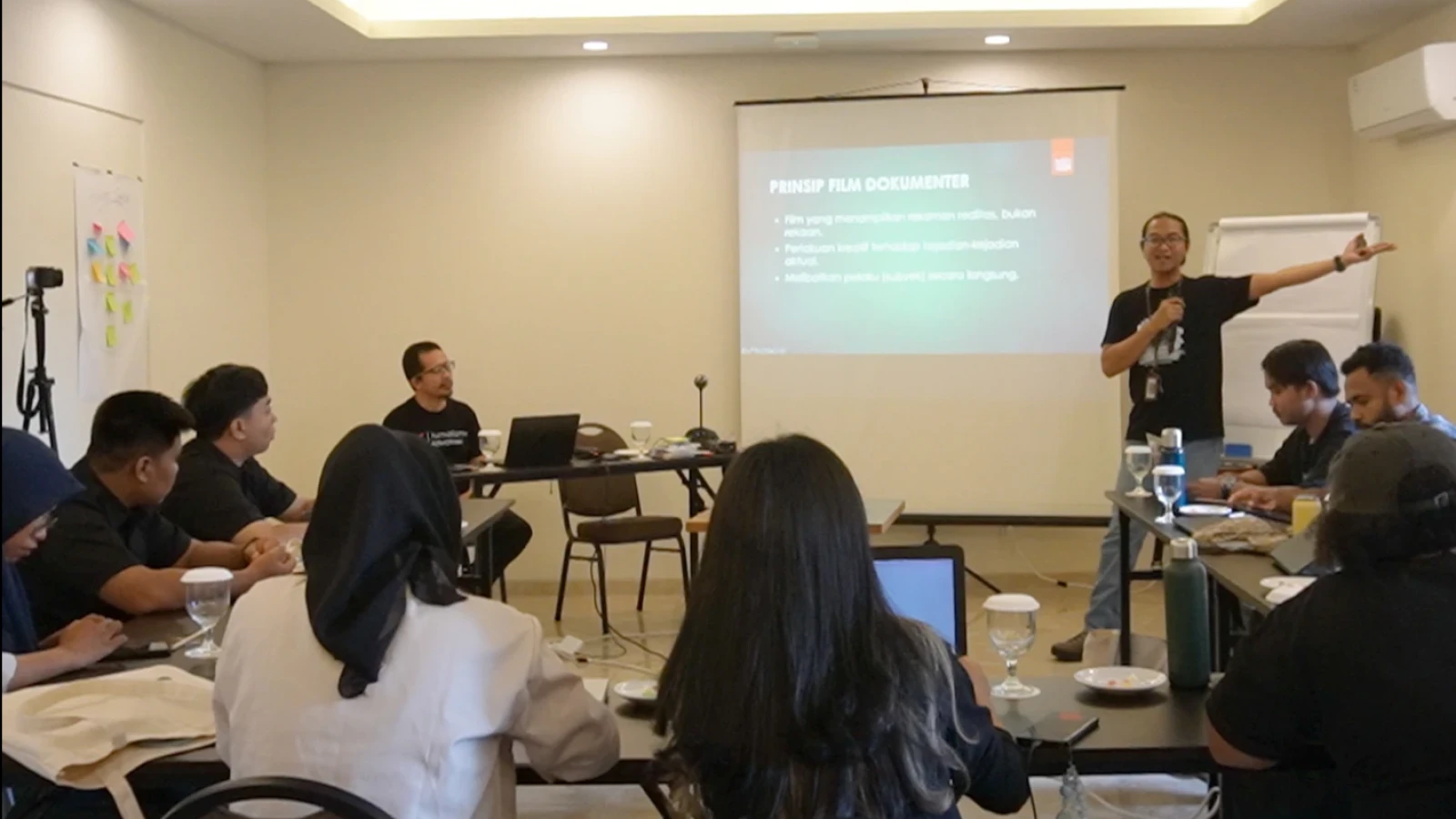
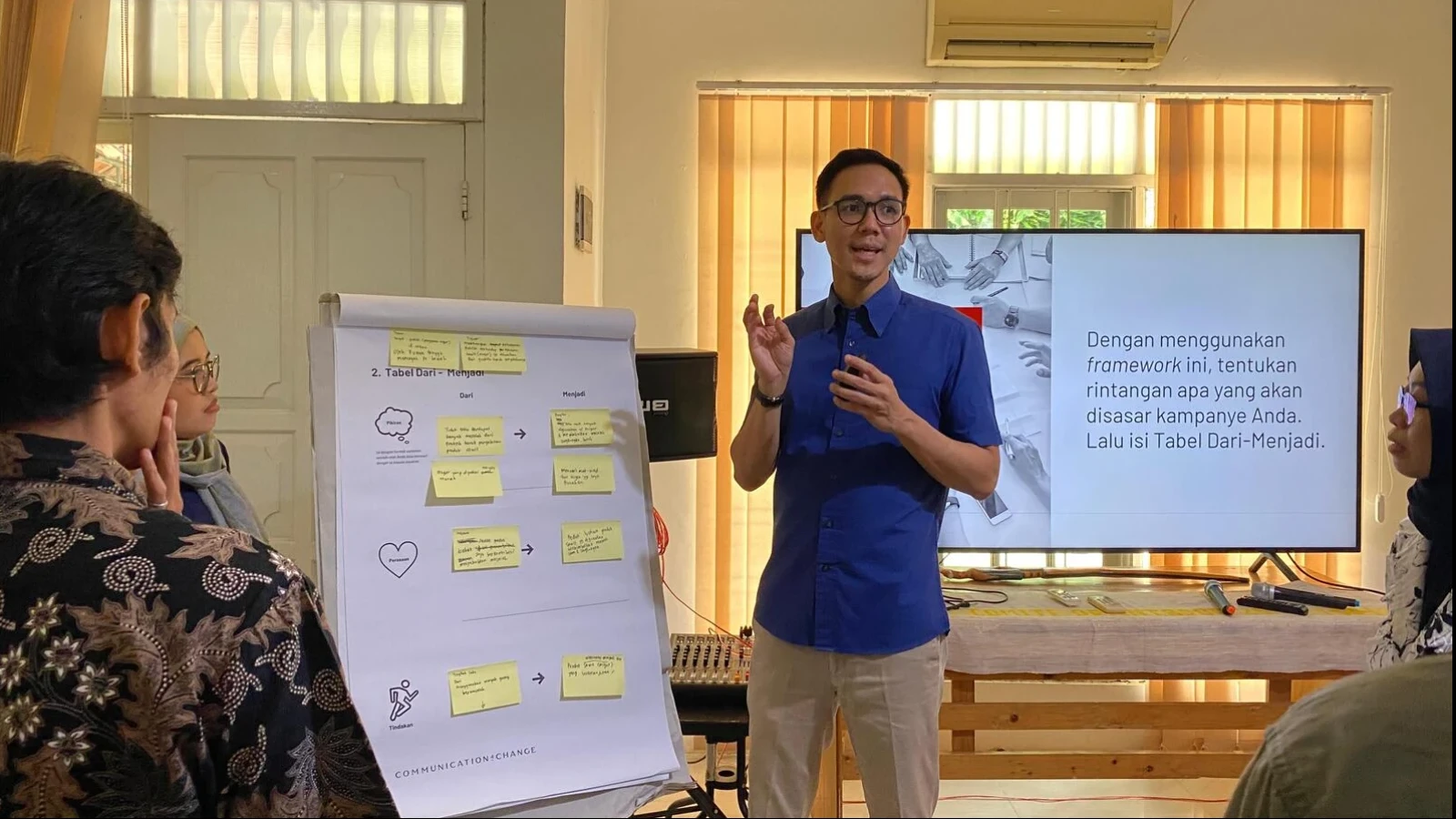
ELSAM held a workshop for civil society organizations (CSOs) entitled "Articulating Messages for Sustainable Palm Oil" in Jakarta on June 20-24. A total of 10 participants from various CSOs working on environmental and palm oil issues attended this workshop.
Held in collaboration with Communication for Change (C4C), the workshop was divided into three sessions with breaks between materials and discussions. The materials included creating the right message, analyzing the recipient of the message, composing a narrative and creating a simple design.
The aim of the workshop was to enable CSOs to create messages that are easy to understand and to determine the organization's strategic position on relevant issues. In addition, the workshop aimed to discuss common issues and increase civil society support for the implementation and monitoring of sustainable palm oil practices. On the other hand, the workshop serves as a platform for CSOs to discuss directions and effective campaigns on sustainable palm oil issues across different platforms.
The workshop stemmed from concerns about the number of cases that CSOs have supported and helped to voice, but which have not received enough attention from civil society. There are a number of obstacles, ranging from the technical, such as lack of human resources, to the substantive, such as message delivery, which is still difficult for audiences to understand. As a result, digital campaign efforts often do not receive enough attention from social media users. In fact, one of the goals of the campaign is to communicate information in order to have an impact and gain the support of the audience.
Ineffective campaigns result in higher costs and energy expended, and may result in messages that are not aligned with campaign objectives. Some of the things that happen are the mismatch of the target audience, which includes preferences, behaviors, and needs. In addition, ineffective campaigns also create inconsistencies that can impact integrity and trust in the institution.
In addition to encouraging audiences to do something, the most basic thing a campaign can do is communicate a value. In the context of palm oil, community understanding of sustainable palm oil is still minimal. A survey by MarkPlus Inc. published in 2020 found that only 16 percent of respondents were aware of sustainable palm oil, with different definitions.
Meanwhile, 82 percent of respondents said they would be willing to switch to sustainable palm oil products. In fact, the issue of sustainable palm oil is not only about products, but also about ensuring labor rights in supply chains that are not exploitative.
From this point of view, the role of civil society organizations becomes central in mainstreaming the values and understanding of sustainable palm oil. In fact, by implementing sustainable palm oil, we are also supporting the assurance of workers' rights in the palm oil supply chain, especially those who are often marginalized, such as plantation workers. In addition, the rights of communities around oil palm plantations to a good and healthy environment can also be accommodated.